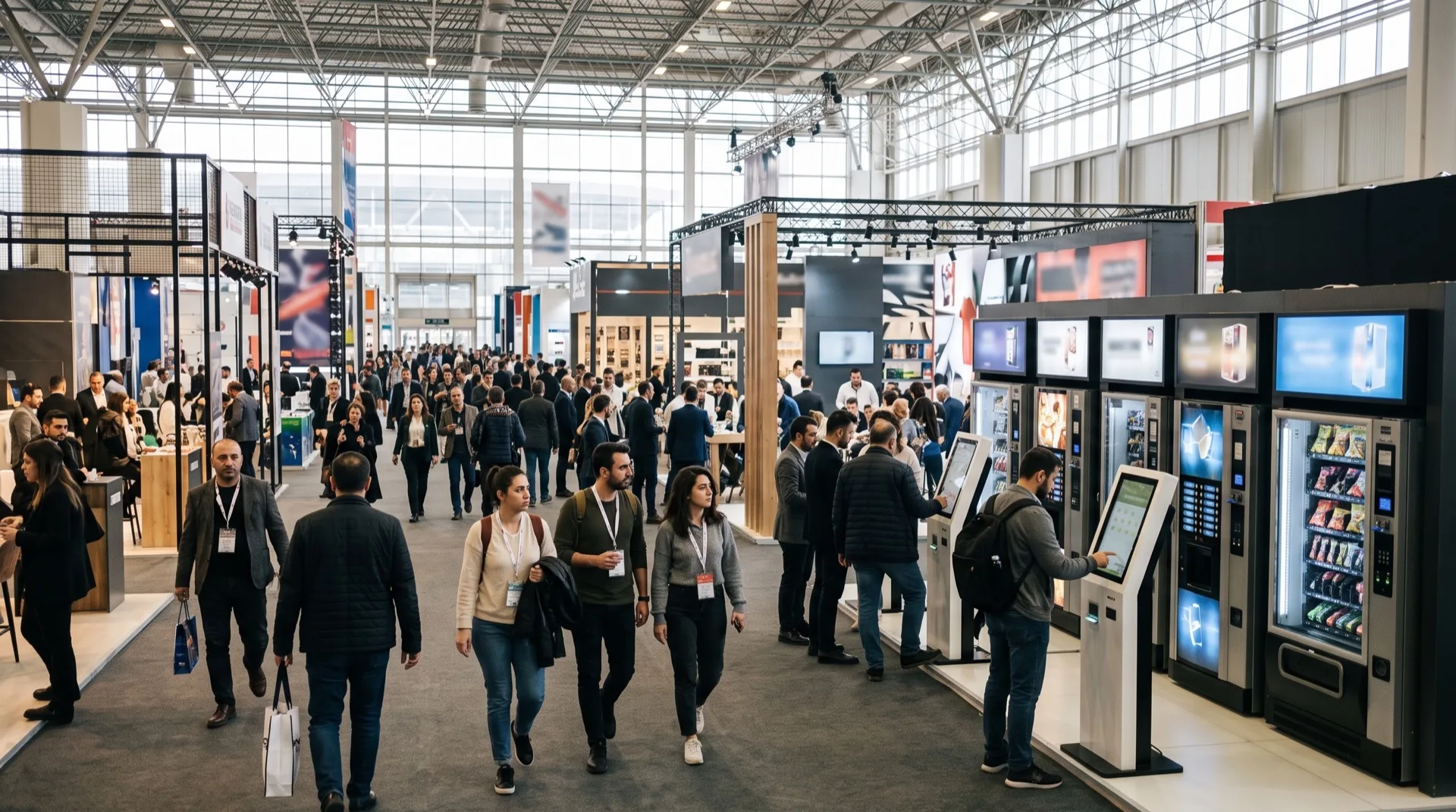

Choosing where to place a coffee vending machine is a decision about people, not about equipment. The best locations combine steady foot traffic, enough dwell time for someone to stop and drink, and a power point within reach. Get those three right and a machine earns from the first week. Get them wrong and even excellent hardware sits idle. This guide walks through what actually matters, ranked location types, how to estimate daily cups honestly, and how to structure the deal with the location owner.
Foot traffic and dwell time
Traffic alone is not enough. A busy pavement outside a shop produces thousands of passers-by and almost no sales, because nobody stops. What you want is a place where the same people return regularly and have a reason to pause: a waiting room, a shift break, a corridor between two departments.
Think in terms of two separate questions. How many people pass the spot on a normal day, and how long do they stay within sight of it? A hospital waiting area may see fewer people than a shopping street, but each of them sits for twenty minutes with nothing to do. That is a far better coffee vending machine location than a doorway with constant motion.
Repeat visits matter more than raw volume. A factory with three shifts gives you the same faces three times a day, every working day. That predictability is what makes revenue forecastable.
Visibility, access and the practical details
The machine has to be seen before someone is thirsty. If it sits behind a pillar, around a corner, or in a corridor nobody uses, it will underperform regardless of the crowd nearby. Aim for a spot on the natural walking line between where people arrive and where they wait.
Then check the boring things, because they decide whether installation is simple or expensive:
- A standard power socket close enough to reach without long cable runs across walkways.
- Water access, or enough space for a tank version where plumbing is not available.
- A level floor and enough clearance for people to stand, pay and take a cup without blocking a passage.
- Lighting that stays on outside normal hours if the site operates at night.
- A route for refilling and cleaning that does not disturb staff or customers.
If the site has no water line, a tank model solves it. If power is only available in an awkward place, that is a conversation to have before signing anything, not after.
Competition: what is nearby
A cafe fifty metres away is not automatically a problem. It becomes a problem when it is cheaper, faster, or more convenient than your machine. A queue of ten people at a coffee counter is an opportunity, not a threat, because some of them will not wait.
What you are really looking for is a gap. Sites where the nearest proper coffee is a five minute walk, or where the only option is a staff kitchen with instant powder, tend to perform well. Sites where people already have a fast, cheap, good cup within arm’s reach are harder.
Also consider what the machine offers beyond coffee. A unit that brews tea as well as coffee and hot chocolate covers more of the day and more of the audience. You can see the range on our tea and coffee vending machine page.
Location types ranked
Not all sites are equal. This ranking reflects how the factors above usually combine in practice.
| Location | Traffic | Dwell time | Typical strength |
|---|---|---|---|
| Hospital | High | Long | Waiting visitors and staff, long opening hours |
| University | High | Medium | Dense population, strong term-time rhythm |
| Factory | Medium | Short but repeated | Shift patterns, same people daily |
| Office | Medium | Short | Predictable weekday demand |
| Hotel | Medium | Medium | Guests outside breakfast hours |
| Mall | Very high | Short | Volume, but strong cafe competition |
| Bus terminal | Very high | Short | Captive waiting passengers |
| Gas station | High | Very short | Drivers on the move, needs speed |
Hospitals, universities and factories usually sit at the top because they combine volume with repetition. Malls and terminals bring more people but each person is there briefly and has alternatives. Gas stations work when the machine is fast and visible from the entrance.
How to estimate daily cups
Do not guess from the size of the building. Count instead. Sit near the proposed spot for a couple of hours at different times of day and count how many people pass within a few metres. Then apply a conservative conversion and check it against the site’s own rhythm.
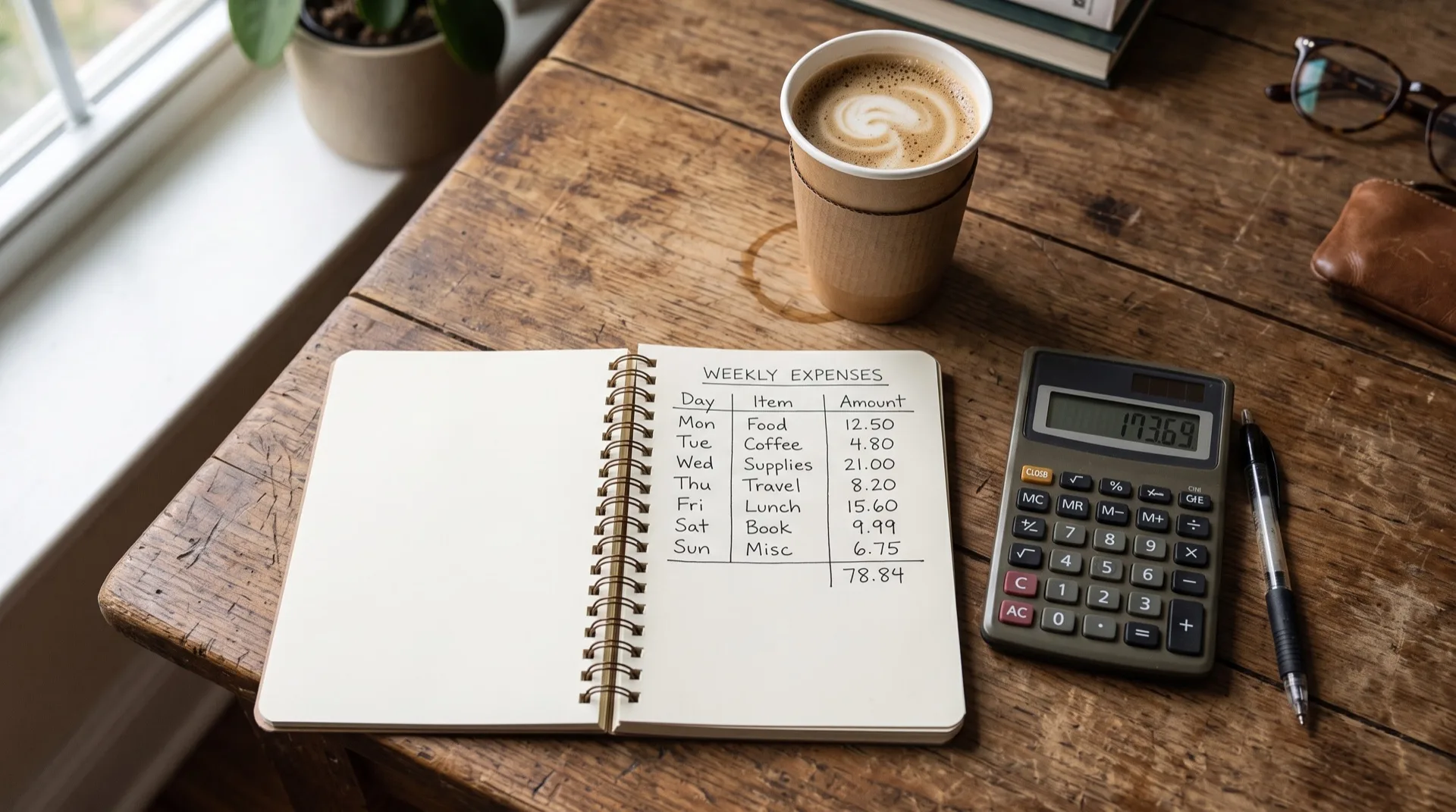
A simple approach: take the number of people who pass during your observation window, scale it to a full day, and assume a small share will buy. Then sanity check it against the number of people who actually work or wait there. If your estimate says more cups than there are people on site, the estimate is wrong.
You can test the arithmetic quickly with our coffee vending machine calculator, which lets you adjust daily cups and see what the numbers look like at different levels of traffic.
Negotiating with the location owner
Most site owners care about three things: that nothing goes wrong, that it does not cost them anything, and that they get something back. Address all three early.
Ask directly about power, water, access hours and who holds the key. Confirm who is responsible for cleaning and refilling, and how often. Agree where the machine stands and whether it can be moved if the spot underperforms. Put the answers in writing, even briefly.
On money, there are two clean routes. The site can buy the machine outright, or it can take the partnership route where the location invests nothing and receives a share of sales. The second is usually easier to agree because there is no upfront cost and no maintenance burden. Sales are visible online, so both sides see the same numbers.
You can compare the commercial terms on our sale and rental page, and see the full equipment range in the catalog.
The partnership model in practice
Under a location partnership, CoffeeVar installs and operates the machine and the site contributes space and a power point. The location receives 20% of sales, which at typical traffic works out to about 18,000 per month. With a cup cost of 12–20 and a sale price of 80–120, a site averaging 30–60 cups a day produces turnover of roughly 90,000.
This structure removes the two things that usually stop a site from saying yes: capital and hassle. There is nothing to buy, nothing to service, and the income arrives without anyone on site lifting a finger. For the operator, it is a way to place machines where they will actually be used rather than where space happens to be free.
Conclusion
A good coffee vending machine location is one where the right people pass, pause, and come back tomorrow. Check traffic and dwell time first, confirm power and water second, look honestly at what else is nearby, and then agree terms that leave the site owner with no reason to say no. If you want help assessing a specific site in Turkey, our team handles delivery and installation and can advise on the right model and setup. Get in touch through our contacts page.
Once you have a spot, check the technical side: coffee vending machine installation requirements.